The fleet, and why the model decides the training
Independent and not affiliated with Cirrus Aircraft — not a Cirrus Training Center, and no training is offered here.
"A Cirrus" spans twenty-five years of aeroplanes and four distinct flight decks. Two aircraft that both say SR22 on the paperwork can have different systems, different panels and a different set of things that will catch you out — which is why transition training attaches to the aircraft in front of you rather than to the badge on it.
The piston singles
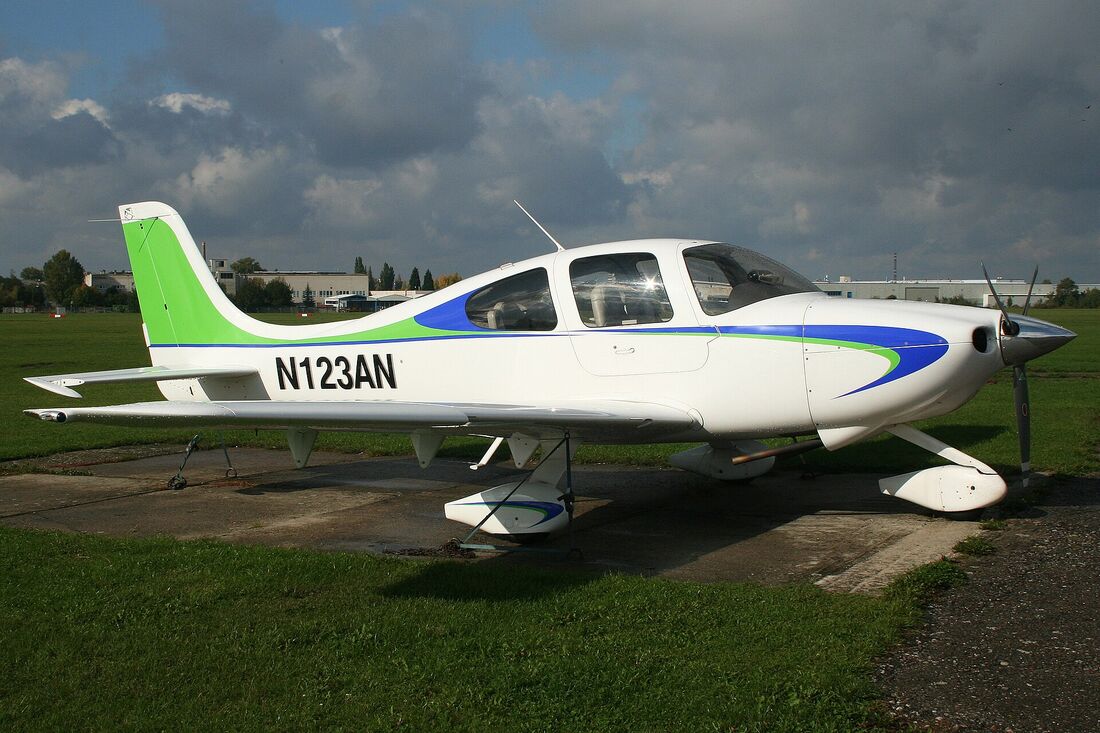
- SR20 — the first of the line, certified in the late 1990s. The smallest engine of the three, and still a common flight-school aeroplane because it is the easiest of the family on fuel and on running costs.
- SR22 — arrived a couple of years later with a larger wing and substantially more power, and became the aircraft the name is known for. It has been the best-selling piston single in the world for most of the time since.
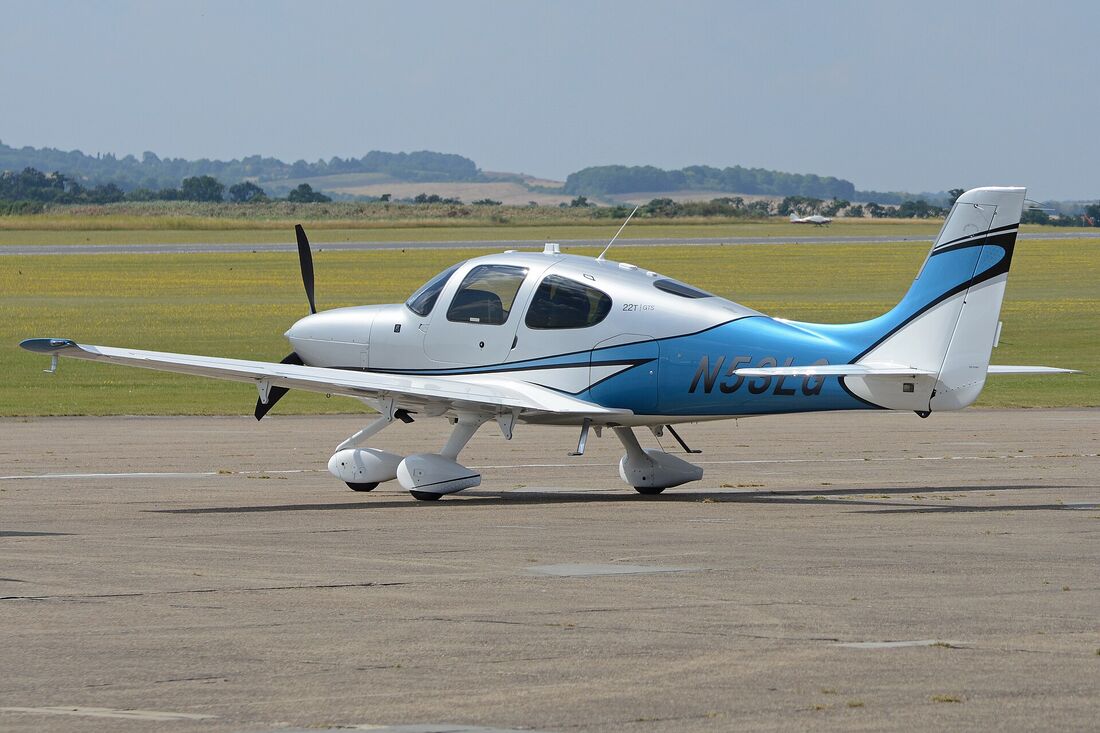
- SR22T — the turbocharged one. It buys real performance at altitude, and that is exactly why it also brings oxygen, weather and engine management into routine operation rather than leaving them as exceptions. The operating differences are genuine, and they belong in training on your aircraft, not on a web page.
The jet
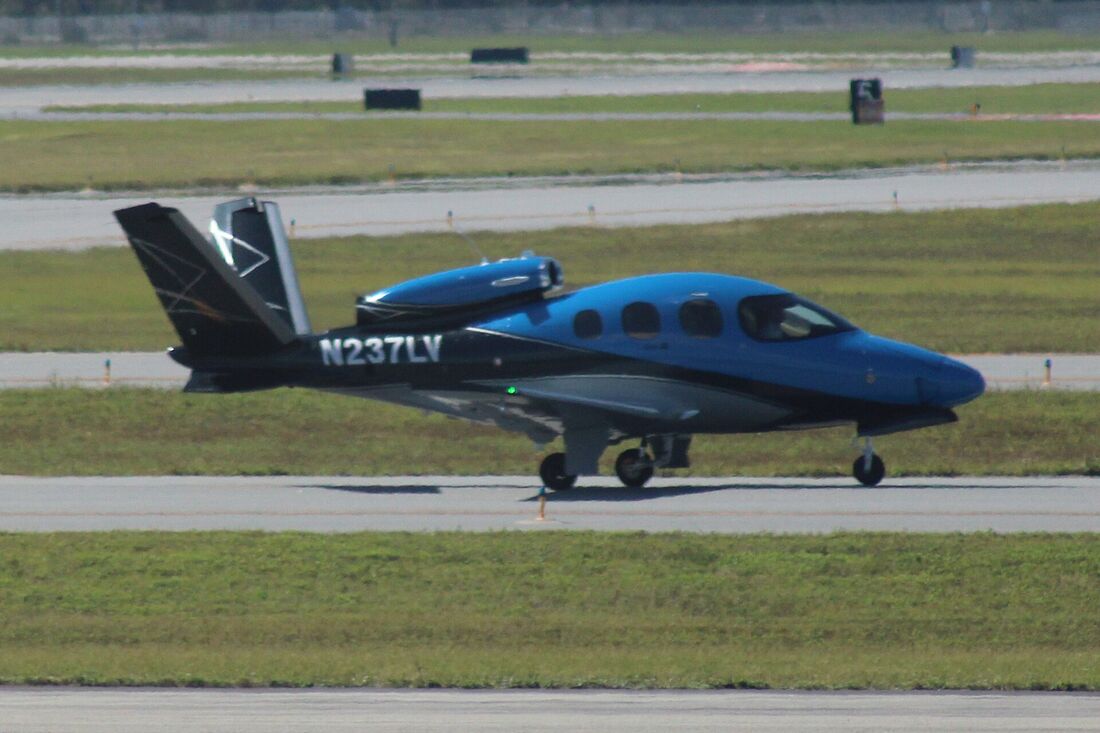
The SF50 Vision Jet is a single-engine personal jet, and it is a different aeroplane rather than a larger SR22. It requires a type rating, which makes the training a formal course rather than a transition. It carries CAPS as the pistons do. If your plan is a step up from an SR22 to an SF50, most of the rest of this site does not apply directly — the type-rating syllabus is the starting point.
.jpg)
.jpg)
_(11-12-2022).jpg)
Generations, G1 to G7
Cirrus marks significant revisions as generations. Across the SR line these have brought airframe and cabin changes, systems such as known-icing protection on suitably equipped aircraft, entry and ergonomic revisions, and — the one a pilot feels most — successive flight decks. A generation number on its own does not tell you what is in the panel of a particular aircraft. Look at the aircraft.
Flight decks are the axis you will actually feel
Early aircraft have Avidyne Entegra; later ones have Cirrus Perspective, then Perspective+, then the current G7 Touch+ generation, all built on Garmin hardware. The differences are not cosmetic: autopilot behaviour and mode annunciation, how a flight plan is loaded and amended, and what the system does when part of it fails all change between them. That is the subject of the avionics page.
What this means in practice
When someone says they have "time in type", the useful questions are which airframe, which generation, and which panel. Insurers ask it, instructors ask it, and it is why a pilot with several hundred hours behind an Avidyne SR22 still has real work to do moving to a Perspective+ one. See transition training.
How many of each there are
If the question is how common any of this is, the US aircraft register answers it exactly, and the fleet-data page counts it: the fleet total, the split between SR20, SR22, SR22T and SF50, and how production ran year by year — including why there are more new SR20s around now than at any time since 2006, which is the number that matters if you are looking for one to learn in.