Transition training onto type
Independent and not affiliated with Cirrus Aircraft — not a Cirrus Training Center, and no training is offered here. Nothing on this page is flight instruction or a substitute for your aircraft's POH/AFM, current official documentation or an authorized instructor.
"Transition training" means the structured course a rated pilot does when moving onto a Cirrus, whether or not they have hundreds of hours in something else. Insurers usually require it, and the requirement is the reason most people encounter it first.

The vocabulary
- CSIP — Cirrus Standardized Instructor Pilot. An instructor who has been trained and standardised by the manufacturer to deliver Cirrus training to a common syllabus.
- CTC — Cirrus Training Center. A flight school authorized by Cirrus to run that syllabus, with tiers such as Platinum for the larger partners.
- Embark — the manufacturer's transition programme aimed specifically at buyers of pre-owned Cirrus aircraft, who would otherwise get no factory training with the purchase.
- COPA — the Cirrus Owners and Pilots Association, an independent owners' group. Its Cirrus Pilot Proficiency Program (CPPP) is a well-regarded recurrent training weekend and is not the same thing as factory training.
What a transition course generally covers
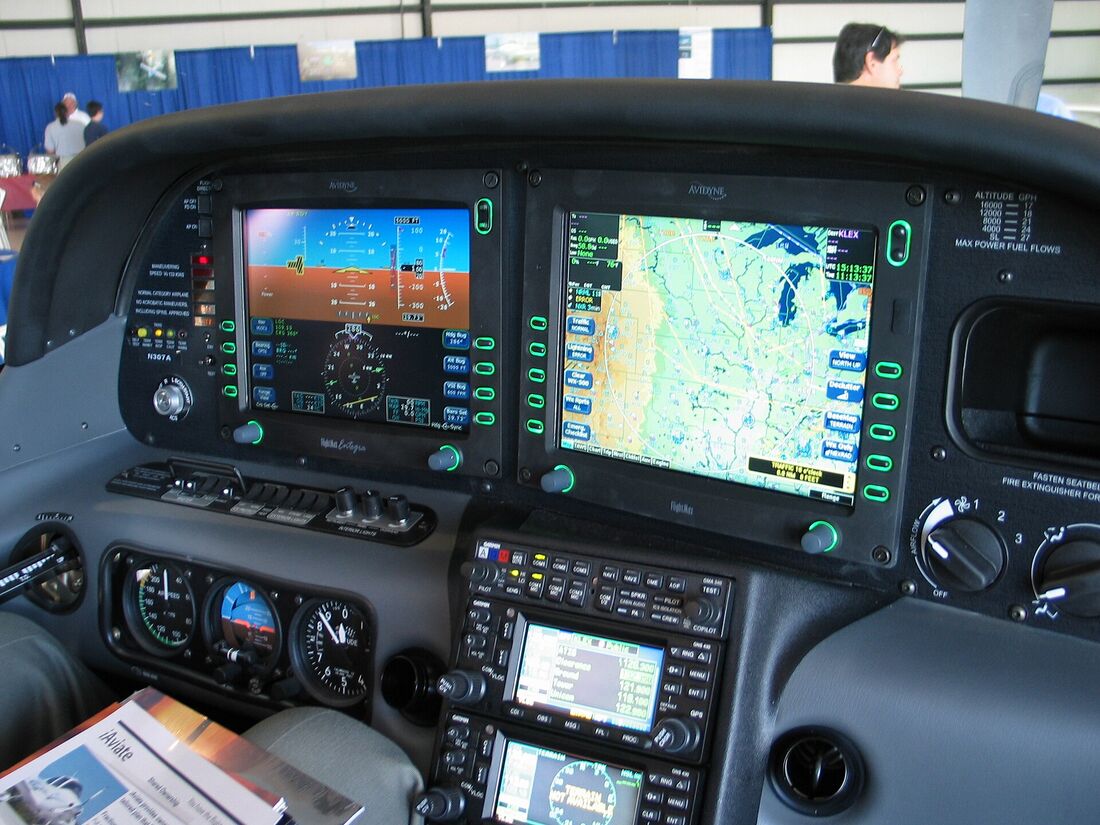
Syllabi vary by provider and by model, and the authoritative one is whichever your instructor is teaching. Broadly, expect ground study on the airframe and systems, avionics work — often starting in a simulator or procedures trainer because glass-cockpit fluency is expensive to build in the air — then flight training covering normal handling, energy management on approach, the differences the side-yoke and castering nosewheel make on the ground and in crosswinds, autopilot use including its failure modes, and emergency procedures including the parachute decision.
How long it takes
Genuinely variable, and anyone quoting you a single number without knowing your experience is guessing. It depends on your recency, whether you have flown glass before, whether you are instrument rated, and which model you're moving to — an SR22T with turbocharging and known-ice equipment is a longer conversation than an SR20. Your insurer will often set a floor in hours, and that floor is a minimum, not a target.